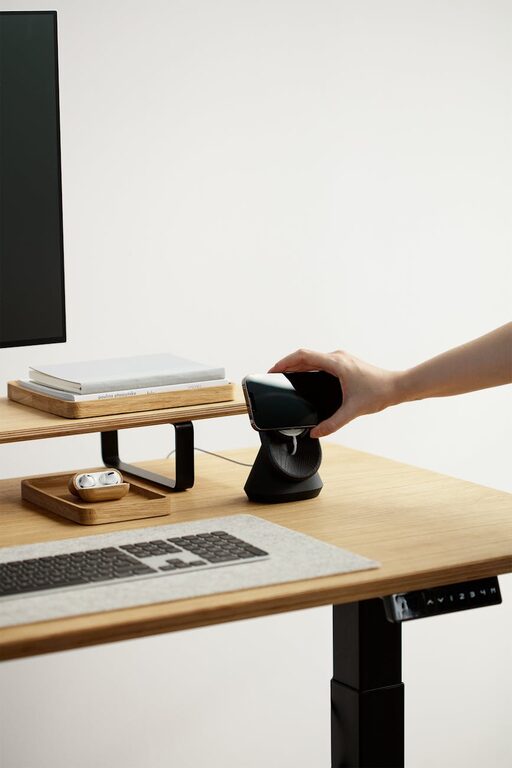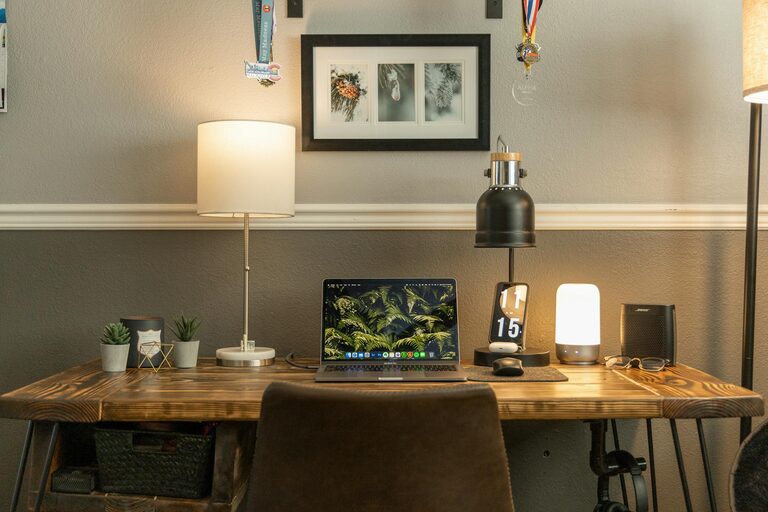
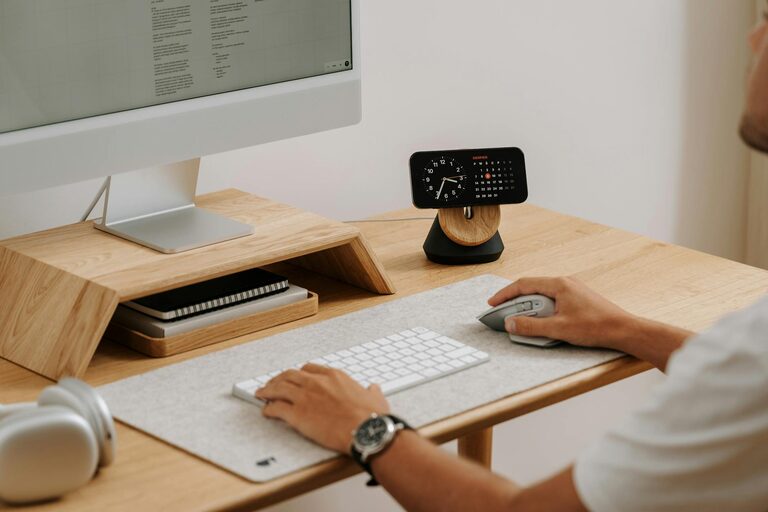
Creating a relaxing home office environment is essential for maintaining productivity and well-being, especially as more people work remotely. When your workspace is comfortable, organized, and calming, it becomes easier to focus and enjoy your workday. If you’re looking to refresh your home office, these tips will help you design a space where relaxation and efficiency coexist.
1. Choose a Quiet, Dedicated Space
The foundation of a relaxing home office starts with selecting the right location:
– Quiet area: Opt for a spot away from household distractions like the kitchen or high-traffic hallways.
– Dedicated use: Try to use this area exclusively for work to support mental separation between work and leisure.
– Natural boundaries: If you don’t have a separate room, use room dividers or furniture to create a distinct office zone.
2. Prioritize Natural Light
Natural light has a positive effect on mood and energy levels.
– Position your desk near windows: This provides plenty of daylight and offers views that can reduce eye strain.
– Use light curtains: Sheer or light-filtering curtains let in sunshine without glare.
– Supplement with soft lighting: When needed, add lamps with warm bulbs to maintain a cozy atmosphere.
3. Choose Comfortable and Supportive Furniture
Your furniture plays a critical role in your comfort and posture.
– Ergonomic chair: Invest in a chair that supports your back and encourages good posture.
– Appropriate desk height: Your desk should allow your arms to rest comfortably and your feet to be flat on the floor.
– Additional seating: A small lounge chair or ottoman can offer a spot to take breaks and relax your muscles.
4. Incorporate Calming Colors and Decor
Colors affect how you feel and work.
– Soft neutrals: Shades like beige, soft gray, and pale blue promote calm and focus.
– Greenery: Adding plants can improve air quality and provide a touch of nature that soothes the mind.
– Minimalism: Keep decorations simple to avoid visual clutter. Choose a few inspiring pieces or family photos to personalize the space without overwhelming it.
5. Organize and Declutter Effectively
An organized space lowers stress and helps maintain concentration.
– Storage solutions: Use shelves, drawers, and boxes to keep supplies out of sight but accessible.
– Daily tidy-up: Spend a few minutes at the end of each day clearing your desk.
– Cable management: Use clips or ties to keep cords neat and prevent tangles.
6. Control Noise Levels
Noise can quickly disrupt concentration.
– Noise-canceling headphones: Great for blocking unwanted sounds and improving focus.
– Soft background sounds: Consider white noise machines or calming music to mask distractions.
– Soundproofing: Rugs, curtains, and upholstered furniture can reduce echo and external noise.
7. Personalize with Meaningful Elements
Personal touches can make your office feel inviting and motivating.
– Inspirational quotes: Place framed quotes or artwork that inspire you.
– Comfort items: Add a cozy blanket or a small diffuser with a calming scent like lavender.
– Functional accessories: Use attractive organizers, calendars, and pens to add style and practicality.
8. Incorporate Movement and Break Areas
A relaxing office supports both work and well-being.
– Stretch space: Leave room to stretch or do light exercises.
– Break zone: If possible, create a small area separate from your desk for breaks and mental rest.
– Natural breaks: Step outside when possible for fresh air and sunlight to reboot your energy.
Final Thoughts
Designing a relaxing home office environment doesn’t require a complete overhaul. Even small changes like improving lighting, adding plants, or organizing your workspace can vastly improve your comfort and focus. By making your office calming and personalized, you’ll create a space where you can work efficiently without sacrificing your peace of mind. Remember, the goal is to build a balanced space that supports both productivity and relaxation—one where you feel good showing up every day.