Creating a home workspace that feels both relaxing and productive can make a significant difference in your day-to-day work experience. When your environment supports focus and reduces stress, you can accomplish more with less frustration. Whether you’re new to working from home or looking to refresh your current setup, these tips will help you build a space that promotes calm and efficiency.
Why a Relaxing Workspace Matters
Your workspace impacts your mindset and productivity. An overstimulating or cluttered environment can cause distraction and fatigue, while a well-organized and inviting space encourages focus and creativity. Setting up a relaxing workspace is about creating a balance — a place that energizes you enough to be productive but remains comfortable and calming to prevent burnout.
Choosing the Right Location
Find a Quiet, Dedicated Space
Try to choose a spot in your home where you can work without frequent interruptions or loud noises. A dedicated area—whether it’s a separate room, a corner of the living room, or even a nook—signals to your brain that it’s work time and helps maintain focus.
Prioritize Natural Light
Natural daylight is known to improve mood and energy. Position your desk near a window if possible, so you can enjoy sunlight during the day. If natural light is limited, consider full-spectrum desk lamps that mimic daylight.
Organizing Your Workspace for Calm and Efficiency
Declutter Regularly
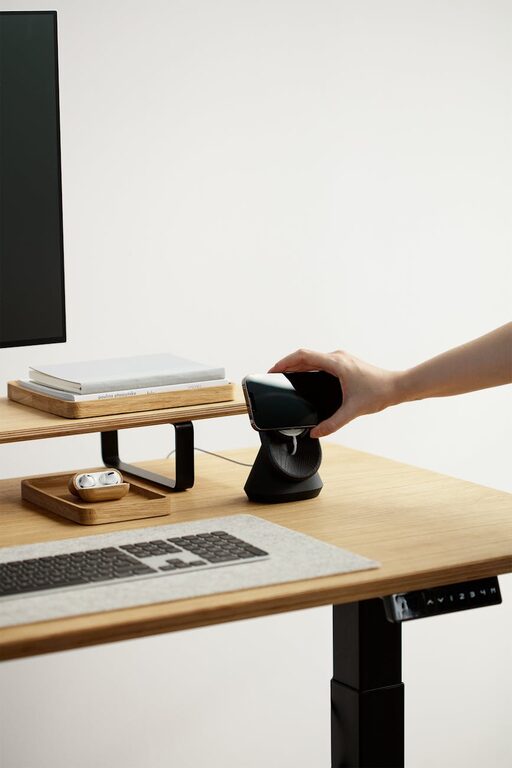
A cluttered desk can make it hard to concentrate. Keep only the essentials on your desk and store other items neatly. Use cable organizers to manage cords and avoid tangled messes.
Use Functional Storage Solutions
Drawers, shelves, or storage bins can help store documents, supplies, and tech accessories out of sight but within easy reach. Label organizers to quickly find what you need.
Incorporate Calming Colors
Soft, neutral colors like whites, light blues, greens, or earthy tones can create a soothing atmosphere. If possible, repaint walls or add decor in these colors to encourage a tranquil environment.
Selecting Furniture and Ergonomics
Invest in a Comfortable Chair
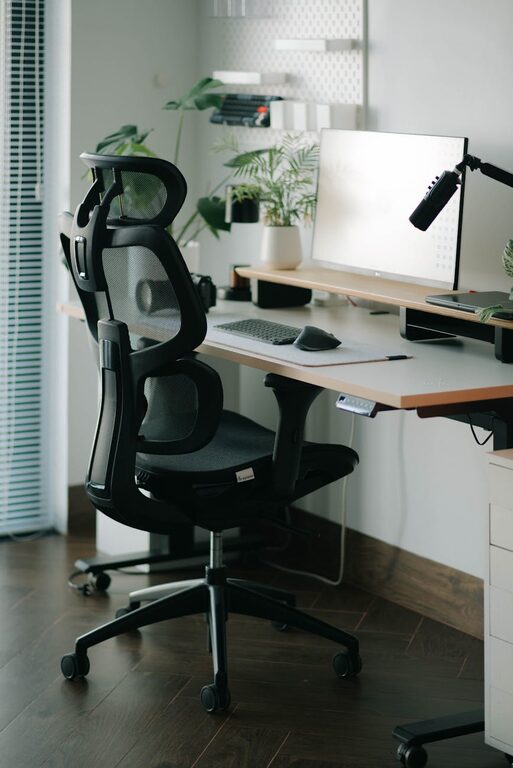
Since you’ll be sitting for extended periods, choose a chair that supports your back and promotes good posture. Adjustable chairs can help you customize height and lumbar support.
Choose an Appropriate Desk
The desk should be spacious enough to hold your computer and work materials without feeling crowded. Adjustable desks that allow sitting and standing can be beneficial for energy and comfort.
Position Your Monitor Correctly
Place your screen at eye level, about an arm’s length away, to reduce strain on your eyes and neck. Use a monitor stand or stacked books to elevate your screen if needed.
Add Personal and Soothing Touches
Bring in Greenery
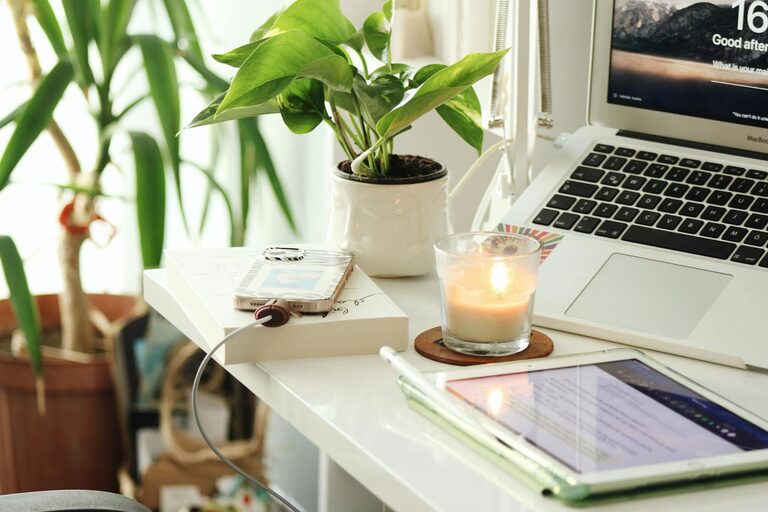
Plants not only improve air quality but also add a sense of calm and well-being. Choose low-maintenance plants like succulents, pothos, or snake plants that thrive indoors.
Use Soft Lighting
Avoid harsh overhead lights by adding lamps with warm bulbs to create a cozy atmosphere. Dimmable lighting gives you the flexibility to adjust brightness according to your needs.
Select Comforting Textures
A soft rug, cushions, or a cozy throw blanket can add warmth and make your workspace more inviting.
Manage Noise and Distractions
Use Noise-Canceling Headphones
If external sounds disrupt your focus, noise-canceling headphones can help you concentrate or listen to calming background music or white noise.
Set Boundaries
Communicate with family or housemates about your work hours and the importance of minimizing interruptions during those times. Consider a visible sign or closed door policy to signal work mode.
Incorporate Break Spaces and Movement
Designate a Spot for Breaks
Step away from your desk regularly to recharge. If space allows, set up a small area with a comfortable chair or cushion where you can relax during breaks.
Include Items to Encourage Stretching or Movement
Add a yoga mat, small weights, or resistance bands nearby to encourage gentle exercise, which helps reduce tension and improve focus.
Keep Your Workspace Fresh and Inviting
Open Windows When Possible
Fresh air can recharge your space and your mind. Regularly ventilate your room to avoid stuffiness.
Refresh Your Setup Occasionally
Change the layout, add new decor elements, or swap out old supplies to keep your workspace feeling fresh and inspiring.
Establish a Routine and Workspace Ritual
Starting and ending your workday in the same space helps create structure. You might light a candle, organize your desk, or spend a minute in meditation before starting work. These small rituals can foster a sense of calm and preparedness.
Final Thoughts
Designing a relaxing home workspace is not about perfection—it’s about creating a setting that supports your well-being and enhances your ability to focus. By considering location, organization, comfort, and atmosphere, you can build a space where productivity and relaxation coexist naturally. Try these tips one step at a time and adapt them to fit your unique needs and style. Your ideal workspace awaits!